
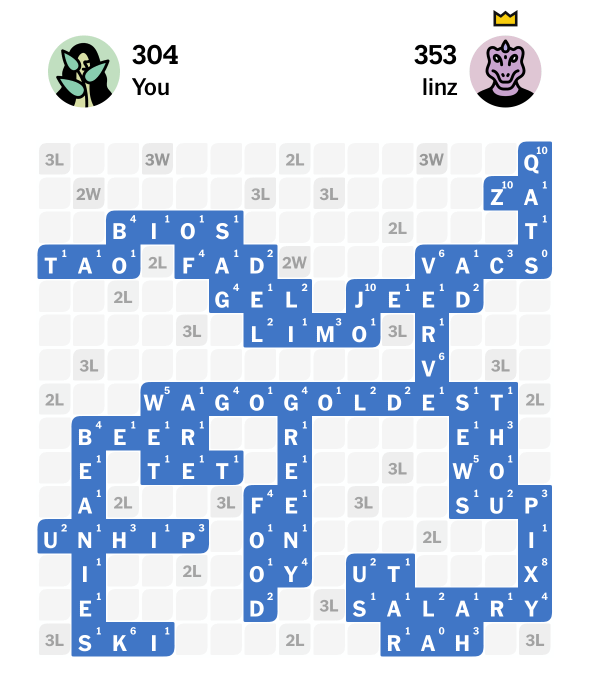
Wagogoldest
The weight of the world isn't isn't on our shoulders — it's in our hands
My phone is already ahead of me.
I’m not fully aware. My eyes are open, sort of — heavy, dragging, negotiating with the light. My husband is next to me, still asleep, and I could turn toward him. I don’t. I could start the day that way. With my person. With warmth. Existing. Nothing asked of me. Instead my thumbs are already moving. I’ve picked up the phone before I’ve kissed the person I love, and I don’t even register the choice because it doesn’t feel like one. Notifications from overnight, an app that updated while I slept, something that logged me out again for reasons it doesn’t explain. A banner I dismissed without reading, worrying it mattered. Another one. I’m typing before my brain has caught up to my hands, and the typos are everywhere — little fractures in every sentence — but I don’t fix them. The machine will catch them for me.
I am handing my agency to the system that wore it down in the first place, and I don’t even notice that that’s the real exchange.
Somewhere in here there’s a to-do list. Yesterday’s. Except it’s gone — written in a note I can’t find or maybe it was a text to myself that got buried under everything that arrived after it. So I start again. Rewriting what I already wrote, except new things are landing while I’m writing, and the list is generating faster than I can capture it. The day hasn’t started yet, and I’m already carrying weight I don’t want to hold.
This is before coffee. Before getting dressed. Before I’ve spoken a single word to another human being, even with one right next to me. The weight is already here. Not dramatic. Not a crisis. Just there — settling into my shoulders, my jaw, shallow breathing I won’t notice until hours later when I put the phone down and feel my chest open and realize I’d been clenching tight for a very long time.
I open a game to take a break. Even that is broken.
Seventy points for a thing that doesn’t exist
My opponent played this word: Wagogoldest. A stranger I’ve never met, matched with me by an algorithm, in a word game built by the New York Times. Seventy points. The word sat on my screen like it had every right to be there — except it isn’t a word. Not in English. Not in any language. The game had glitched, handed a stranger 70 points for a thing that doesn’t exist.
I kept playing. Eventually I lost.
I’m still playing. I played this morning — with friends and strangers alike. And I’ve been thinking about why. Not why I play the game — that’s just habit, comfort, and the small pleasure I get from words fitting together. I’ve been thinking about why I stayed after it broke. Why did I absorb the glitch and the loss and keep showing up as though nothing happened? It barely even occurred to me to stop. The thought came and went, dismissed almost instantly. What, give up this game?
The answer is as small and heavy as everything else: it wasn’t worth the effort of caring. The glitch was one more thing that didn’t work right, added to a pile of things that don’t work right, and I did what I always do. I adjusted. I shrugged. I kept going.
The shrug is the thing I can’t stop thinking about. Not just this one, but all of them.
The thousand shrugs a day that have become the way we move through a world that isn’t working as well as it pretends to.
A small robbery you consented to
The app that changed its interface totally overnight and you relearned it without being asked. 15 minutes stolen from your day. The form you couldn’t figure out so you just guessed. An hour, gone. The subscription you forgot to cancel and found three months later on a bank statement, another robbery you consented to by not paying attention.
The terms you accepted without reading — not once, not as a lapse in judgment — but every time, because reading them was never a real option and everyone knows it and nobody says it.
The password you reset for the third time this month. The notification you dismissed that might have mattered. The dark pattern you navigated around like a pothole you’ve memorized on your commute; you don’t even see it anymore, you drift left.
Each one almost nothing. 15 mins here. Some half a second. A shrug.
But they accumulate. That’s the thing nobody talks about — the accumulation. Every adjustment you make is a small surrender. Every time you adapt to something that isn’t working, you’re absorbing a cost that someone else created and no one is paying for. You’re carrying it in your body. Not metaphorically. In your actual shoulders. In the tension in your jaw you didn’t know was there someone tapped your shoulder and you flinched.
There’s no single moment you can point to and say that’s when it got too heavy. It was always getting heavy. You were always adjusting your grip.
The pile of digital stuff was always writing itself faster than you could clear it, and you were always falling further behind, and the system — all the systems, every system — has been adding to it while telling you it’s making your life easier.
The freedom of convenience is the heaviest thing I’ve ever carried
That’s the word, isn’t it? Easier. Everything is supposed to be easier. The whole promise of every product, every platform, every update, every new feature. We’ll make it easier. One click. No friction. Seamless.
And some of it is easier. I can order anything to my door. I can deposit a check with my phone. I can find the answer to almost any question in seconds. These are real things.
But I can also order anything to my door without ever thinking about who does the delivery. I can deposit a check without stopping to wonder who sees it along the way. I don’t meet my neighbors. I don’t know my bank teller’s name because I don’t have a bank teller. I don’t go to stores. The errands that used to move me through the world — that put me in rooms with strangers, that gave me the ordinary experience of being a person among people — those are gone. Optimized out. The line was where you stood next to someone. The store was where you smiled at a stranger’s kid, or asked someone whether this was any good and got an honest answer from a person who had no algorithm beaming nonsense behind their eyes.
I traded all of that away, one seamless transaction at a time, and nobody told me what I was buying was distance.
No one but the geniuses
I once worked at a company where a VP said that a product should work so well on its own that everyone who’d been part of its build but the geniuses should be let go.
I was watching from my desk — one of a hundred desks in a row that stretched the length of a building designed to contain people, not inspire them. Fluorescent, beige, repeating. The kind of space that tells you, architecturally, that you are a function.
In the best interpretation, the comment was maybe a compliment to the builders. But what I heard was something else: that the people whose job it was to ask whether any of this actually worked for humans — whether the dashboard measured the thing that mattered, whether anyone had talked to the people on the other end of it — were not geniuses. They were overhead. And overhead gets cut.
I sat at my desk and felt sad. Inhuman. Unworthy. Afraid — not just for myself but for every single person on that call, whether they understood what was actually being said or not. I adjusted my grip on the pile of my own digital and non-digital accumulation, the same way I adjust my grip every morning when my phone is ahead of me and I’m already carrying too much.
That’s how all of this works. There is no dramatic collapse. Just constant adjustment. A daily, invisible act of absorbing something that isn’t right and continuing as though it is. We do it with our products. We do it with our work. We do it with our bodies. We carry until carrying becomes the baseline, and then we forget there was ever a version of this where someone — anyone — stopped to ask whether the weight was necessary, or right.
The weight was here when I woke up
Building got cheaper and faster — but the risk didn’t shrink — it moved. It moved from the people building to the people using. From the organizations shipping to the humans carrying. And we accept it — not because we don’t notice, but because there is little reason or way to exit. This has seeped into our culture at its core.
At first we were shaping the technology. Now, undeniably, the technology has shaped us — mostly to accept. Small mistakes. Big mistakes. Full-blown atrocities we can stop looking at if they’re filtered through the phone.
We’ve been trained to absorb. To adjust. To shrug. To keep playing after the glitch, keep using after the update, keep going after the thing that was supposed to make our lives easier made them just a little more exhausting in a way we can’t quite name; and the tolerance builds on itself. Each surrender makes the next one smaller, easier, less worth mentioning. You recalibrate, call it normal.
I’m sitting here now, my phone in my hand, shoulders tight, list already gone, thumbs already moving. The weight is here. It was here when I woke up. It’ll be here tomorrow, a little heavier, and I’ll adjust my grip again.
Wagogoldest. That’s what I call it now. The whole thing. The pile, the shrug, the carrying. The moment you look down at the thing in your hand — the thing you picked up before you kissed the person next to you, the thing that was already ahead of you before your eyes were open — and you want to walk to the nearest river and throw it in and watch it sink.
You won’t. I won’t either. But I want to name the feeling, because we don’t have a name for it yet, and I’m tired of adjusting my grip.
“I don’t even register the choice because it doesn’t feel like one.”
The loss of choice-full-ness is a subtle thing. Thanks for mentioning it, Rachel.